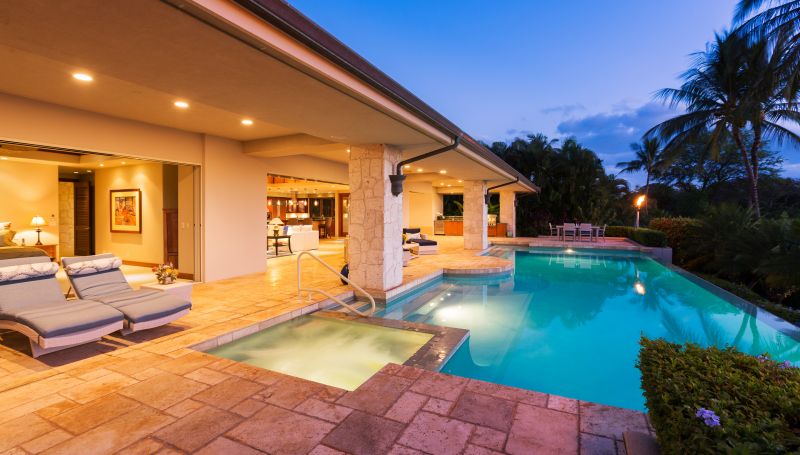
Pool Patio Sealing in Alpharetta, GA
Pool patio sealing services involve applying a protective coating to enhance the durability and appearance of poolside surfaces, including concrete, stone, and pavers. This process helps prevent damage caused by water, UV rays, and general wear and tear, extending the lifespan of the outdoor area. Homeowners often seek this service to maintain a clean, attractive look around their pools while reducing the risk of cracks, staining, and surface deterioration over time.
Before requesting pool patio sealing, property owners typically want to understand the types of sealants available, the suitability for their specific surface material, and the expected benefits. It’s also helpful to consider the current condition of the patio, as sealing may require cleaning or repairs beforehand. Proper surface preparation and selecting the right sealing product can contribute to a more effective and long-lasting finish, ensuring the outdoor space remains safe and visually appealing.
Many property owners in Alpharetta, GA look into Pool Patio Sealing for repairs, replacements, upgrades, and appearance-related improvements.
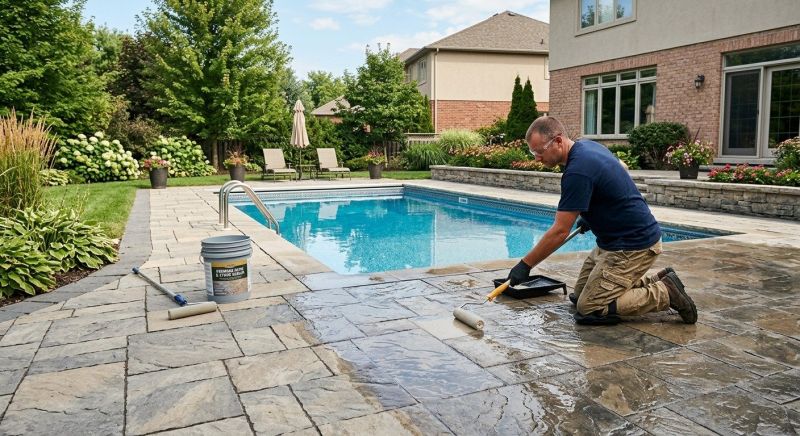
Protecting Pool Surroundings
Sealing helps prevent damage to pool decks and surrounding surfaces caused by water and weather exposure.
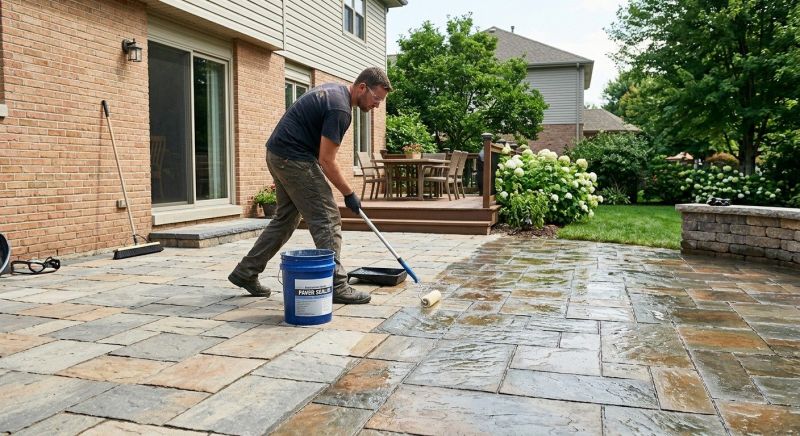
Enhancing Durability And Appearance
A quality sealant can extend the lifespan of pool patios while maintaining a clean, attractive look.
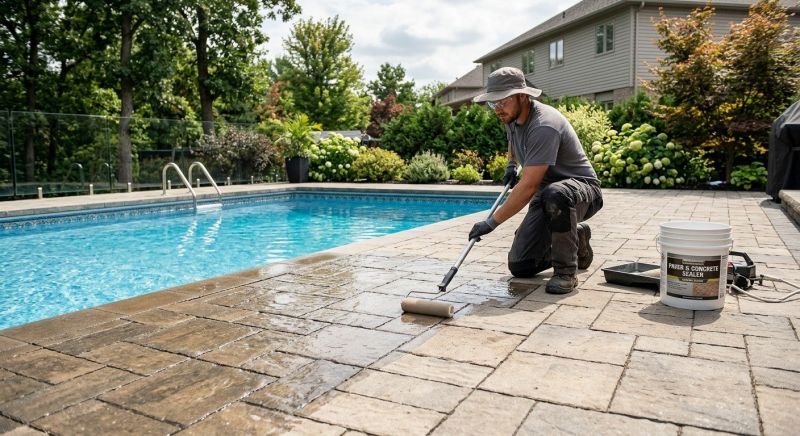
Maintaining Safety And Cleanliness
Sealed surfaces reduce slipping hazards and make cleaning easier for homeowners in alpharetta, ga.
Pool Patio Sealing in Alpharetta, GA
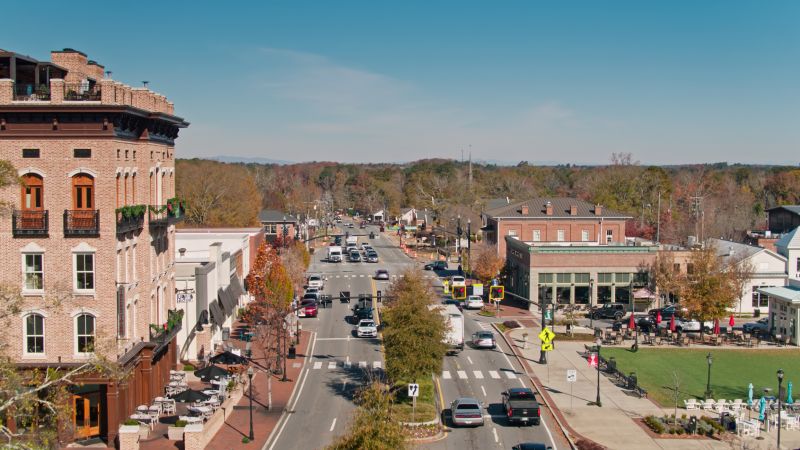
Pool patio sealing services involve applying a protective coating to enhance the durability and appearance of poolside surfaces, including concrete, stone, and pavers. This process helps prevent damage caused by water, UV rays, and general wear and tear, extending the lifespan of the outdoor area. Homeowners often seek this service to maintain a clean, attractive look around their pools while reducing the risk of cracks, staining, and surface deterioration over time.
Before requesting pool patio sealing, property owners typically want to understand the types of sealants available, the suitability for their specific surface material, and the expected benefits. It’s also helpful to consider the current condition of the patio, as sealing may require cleaning or repairs beforehand. Proper surface preparation and selecting the right sealing product can contribute to a more effective and long-lasting finish, ensuring the outdoor space remains safe and visually appealing.
Many property owners in Alpharetta, GA look into Pool Patio Sealing for repairs, replacements, upgrades, and appearance-related improvements.
Common Pool Patio Sealing Jobs
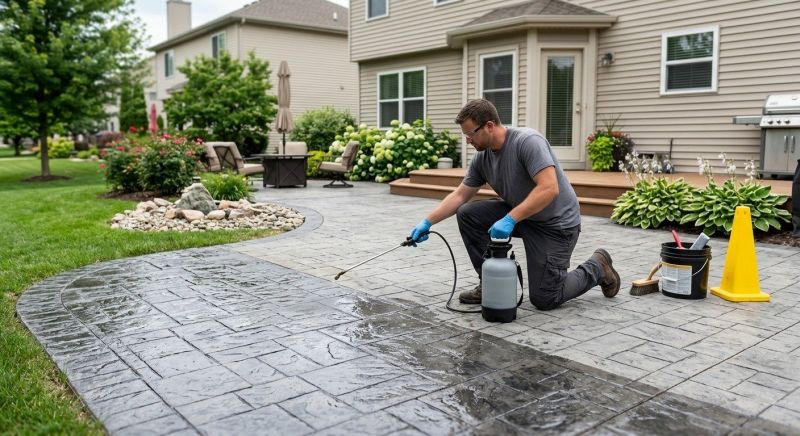
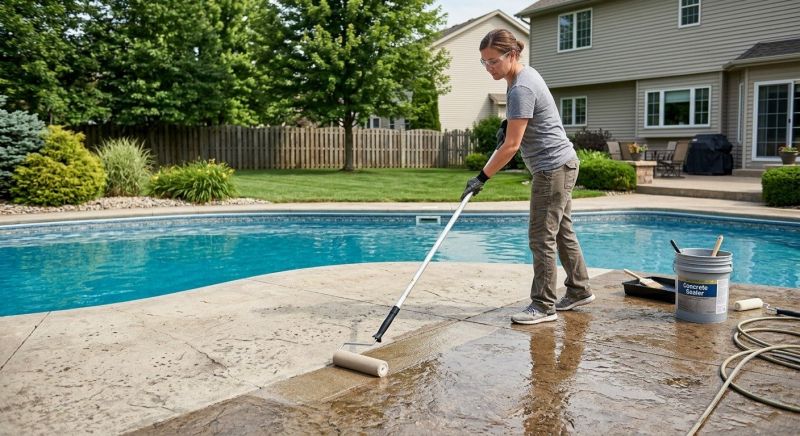
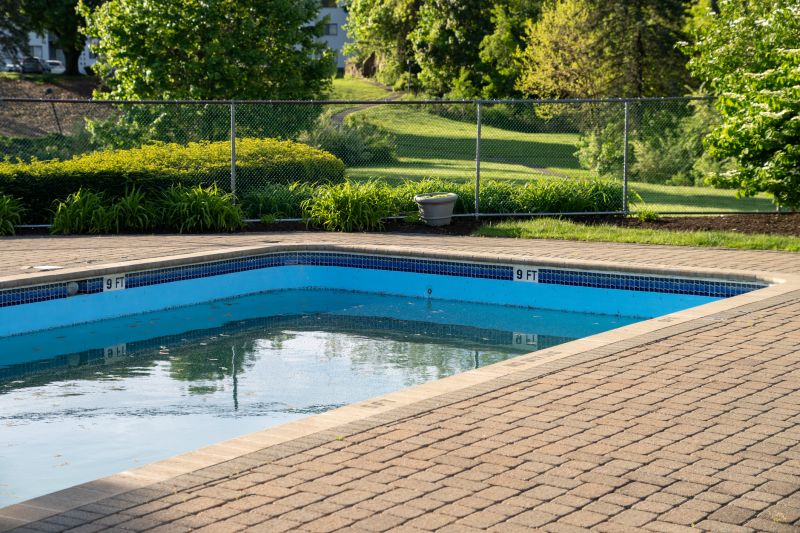
Pool Deck Sealing - Protects concrete surfaces from water damage and staining.
Patio Sealing - Enhances the durability and appearance of existing patio surfaces.
Concrete Sealing - Prevents cracking and surface deterioration caused by weather exposure.
Stone Sealing - Preserves natural stone textures and prevents staining from pool chemicals.
Surface Restoration - Restores faded or worn pool surrounds to a fresh, sealed finish.
Waterproofing - Keeps pool areas resistant to moisture penetration and surface damage.
Pool Patio Sealing Questions
What is pool patio sealing? Pool patio sealing involves applying a protective coating to surfaces around the pool to prevent damage from water, chemicals, and weather.
Why should property owners consider sealing their pool patio? Sealing helps extend the lifespan of the surface, reduces maintenance needs, and maintains a clean, attractive appearance.
What types of surfaces can be sealed around a pool? Common surfaces include concrete, pavers, stone, and stamped concrete around the pool area.
How often should a pool patio be resealed? Typically, resealing is recommended every 2 to 3 years to maintain protection and appearance.
Request Pool Patio Sealing in Alpharetta, GA
Use the quote form on this page to share the basics of your project and request more information for the type of work you need.